Dress like the most authentic version of yourself
*
Dress like the most authentic version of yourself *
A DIY color analysis course you can do at home
Okay, hear me out.
A couple years ago I was invited to a destination wedding in Mexico. Beachside ceremony, warm evenings, the whole thing. And I had a closet full of clothes that somehow felt like none of them were mine.
Nothing felt right for the occasion. Nothing felt like the version of myself I wanted to show up as.
That's when I fell into color analysis — and it genuinely changed how I get dressed, how I shop, and weirdly, how confident I feel just walking into a room.
I want to show you how to figure yours out.
Sound familiar?
You have plenty of clothes but nothing to wear. Certain colors make people ask if you're tired. You buy something you love in the store, wear it once, and it just sits there. Your closet doesn't feel like you — it feels like a collection of almost-right decisions.
Here's what I learned: it's usually not a style problem.
It's a color problem.
Everyone has colors that naturally work with their skin tone, eyes, and hair. The difference between wearing the right ones and the wrong ones is subtle but real — your skin looks clearer, your eyes read as brighter, you just look more awake. More like yourself.
Once you know your palette, shopping gets easier. Getting dressed gets faster. And that vague feeling that something's always slightly off? It goes away.
Introducing Color Confidence
*
Introducing Color Confidence *
It's a short course that walks you through figuring out your color season at home. No appointment, no consultation, no draping required.
You'll learn your undertone, your place in the 12-season system, and exactly which colors to reach for (and which ones to quietly let go of). More importantly, you'll understand why your colors work — so you never have to guess again.
How color actually works: hue, value, chroma (more interesting than it sounds, I promise)
The 12-season system, explained simply
How to analyze your own coloring with stuff you have at home
Your full palette: clothes, hair, makeup
How to audit your wardrobe without a full breakdown
No professional draping required.
Just clear guidance and simple techniques.
What changes after
When I got back from Mexico, people kept asking what was different. I hadn't done anything dramatic. I'd just finally figured out how to show up in colors that worked with me instead of against me.
You stop buying things that don't work. You get dressed faster. You look more pulled together without trying harder. And there's this quieter thing too — you just feel more like yourself.
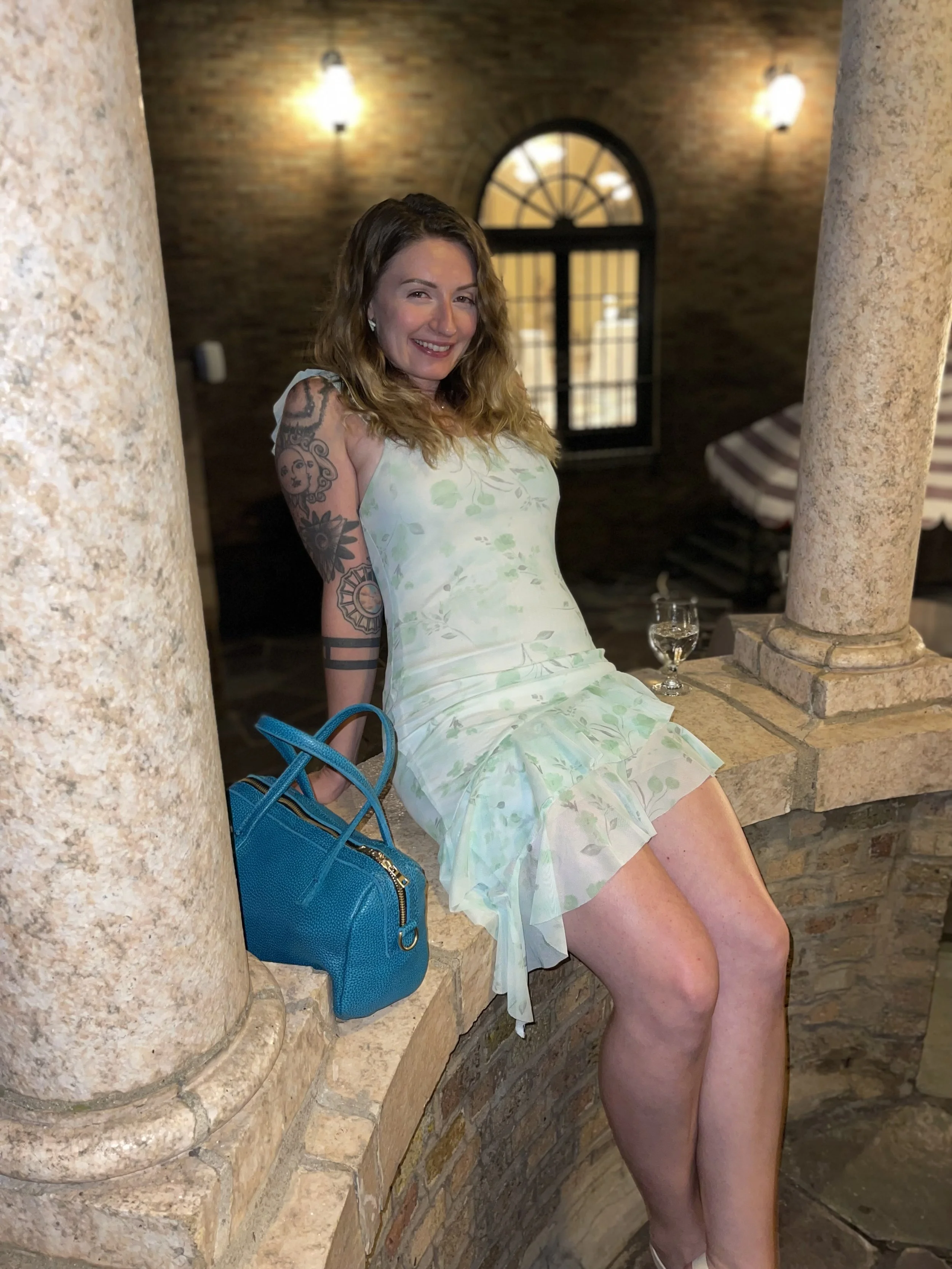
I'm Andy
I got into this because I was tired of looking tired.
Kept buying clothes I thought I liked, kept feeling like something was off. Turns out I’m a Light Summer and black is absolutely not in my palette and yet.. I wore it almost every day. Learning about color analysis was genuinely one of those "why did no one tell me this" moments.
I made this course because I wanted to share that — and make it easy enough that you don't need a stylist or a consultation or a big budget. Just a little time and some stuff from around the house.
Not ready to dive in? Start here.
The 5-Minute Undertone Finder is a free guide that explains what undertone actually means, why most people misidentify theirs, and how to figure yours out today.
FAQs
Do I need special equipment or color drapes?
Nope — the course uses things you already have at home.
How long does it take?
Most people finish in 2–3 hours, but go at whatever pace works for you.
What if I'm still not sure about my season?
Really normal. The course gives you multiple ways to check your results — confidence is literally in the name.